Players in the United Kingdom looking for online poker want more than a table and a deck. They need clear game rules, dependable payment information, sensible limits and a straightforward way to check whether an operator is properly authorised. Poker Party Club is a useful starting point for thinking about what makes a poker-focused casino appealing, but the name alone does not establish that a particular website is licensed or available in Britain. Check the exact operator and its current terms before creating an account or depositing.
This review looks at the experience players can expect from an online poker casino, the features that matter, and the checks UK residents should make before playing. Game availability, bonuses, payment options and access can change, so use the casino’s live pages and the UK Gambling Commission’s public register for up-to-date information.
What a poker-focused casino offers
A poker casino may combine poker tables with other casino games, giving visitors a choice between skill-based play and games decided primarily by chance. The central attraction is usually the poker lobby: a list of available formats, stakes and tables, with details such as player count and whether a game is cash-based or part of a tournament. A well-organised lobby helps newcomers find low-stakes options without requiring them to navigate a maze of menus.
Texas Hold’em is the most familiar format, though some sites may also feature Omaha, fast-fold tables, sit-and-go events or scheduled tournaments. Availability varies by operator and may depend on whether games are provided directly by the casino or through a poker network. Before signing up, check that the specific format you want is offered to UK customers and that the tables have activity at the times you usually play.
Games and table experience
Cash games and tournaments
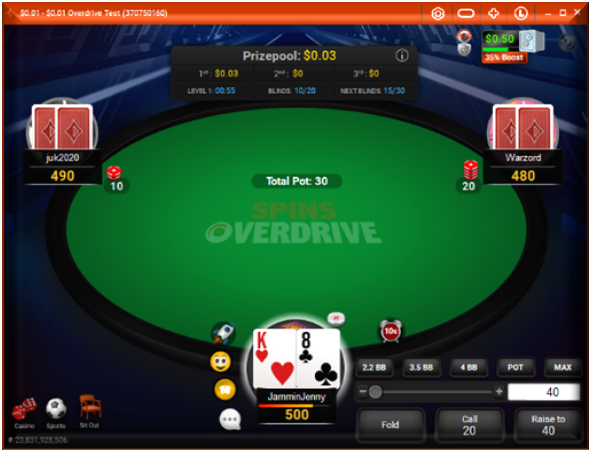
Cash games generally let players join and leave a table while playing for stakes shown in the lobby. The chips correspond to money, subject to the site’s rules and any minimum or maximum buy-in. Tournament poker works differently: players pay an entry fee, receive a starting stack and compete until they are eliminated or the event ends. The prize structure and late-registration rules should be visible before entry.
For casual players, low-stakes tables and small buy-in tournaments can make it easier to set a defined entertainment budget. Higher stakes may increase the pressure as well as the potential wins and losses. Neither a strong hand nor a long session guarantees a profit: poker outcomes depend on the cards, opponents’ decisions and variance.
Software and mobile access
Useful software makes it easy to read the table, view chip stacks, follow the action and find account settings. On a mobile device, buttons should be large enough to use accurately, while the table should remain legible without excessive zooming. Connection interruptions can be frustrating, so look for information about reconnection, hand timeouts and what happens if a player loses internet access mid-hand;
Try the lobby and account pages before committing money, where a demo mode or free-play tables are available. Demo play can help you learn the interface, but it does not reproduce the financial pressure of real-money play, and virtual results should not be treated as a forecast of future outcomes.
Key points to check before joining
- UK authorisation: confirm the operator’s legal name and licence details on the UK Gambling Commission register. A logo on a webpage is not a substitute for checking the register.
- Game rules: read the rules for each poker format, including blinds, table limits, tournament fees and prize terms.
- Payment terms: check supported deposit and withdrawal methods, processing times, fees and identity-verification requirements.
- Bonuses: review wagering conditions, eligible games, expiry dates, withdrawal restrictions and any maximum-cashout terms.
- Safer gambling tools: locate deposit limits, time-outs, self-exclusion and account-history features before playing.
Bonuses, promotions and value
A welcome offer can look generous while still being difficult to use. Poker promotions may be linked to a first deposit, tournament entries, loyalty points or rake contributions. Read the full terms to understand what counts toward any requirement and whether poker play is treated differently from other games. Never deposit more than you can afford simply to unlock a promotion.
UK-facing operators must follow applicable rules on advertising and customer protection. Still, the player is responsible for understanding an offer before opting in. Check whether a bonus is optional, whether accepting it affects withdrawals, and whether promotional funds are separate from withdrawable cash. If the terms are unclear, ask customer support for an explanation in writing and keep a copy.
Questions and answers
Can UK players access Poker Party Club?
Access depends on the exact website, its operator, its licensing status and its current terms. Do not assume that a brand name or search result means the service is authorised for Great Britain. Verify the operator on the UK Gambling Commission register and check the site’s own eligibility rules. If the operator cannot be clearly identified, avoid depositing.
Is poker a game of skill or chance?
Poker involves both. Players make decisions using information such as position, betting patterns and the cards on the table, but the cards dealt introduce chance and short-term results can vary considerably. Skill may influence decisions over time; it cannot guarantee a win in a particular hand, session or tournament.
What should a beginner play first?
Start by learning the rules and hand rankings, then consider free-play tables or the lowest available stakes. Read the table limits carefully and decide on a fixed budget and session length in advance. Avoid moving up in stakes to recover losses, and take a break if play stops feeling like entertainment.
How can I check whether a site is legitimate?
Find the legal company name in the footer or terms and compare it with the UK Gambling Commission register. Review the licence status, contact information, complaints process, privacy policy and withdrawal rules. Be cautious of pressure to deposit quickly, unclear ownership, or requests to pay unexpected charges to release winnings.
Responsible play for UK customers
Set limits before a session rather than deciding how much to spend while caught up in the game. A deposit limit can cap how much you add to an account, while a time reminder can help you keep track of a session. These tools are most useful when enabled in advance. Keep poker spending separate from essential household costs and do not borrow to play.
If gambling starts to cause stress, affect relationships or interfere with bills, stop and use the operator’s time-out or self-exclusion options. UK players can also seek confidential support from organisations such as GamCare. Taking a break is not a failure; it is a practical way to regain control and consider what support may help.
Verdict: check the details, then choose carefully
A good poker casino experience depends on more than a recognisable title. Clear tables, suitable stakes, reliable software, transparent payment terms and accessible safer-gambling controls all matter. Poker Party Club may be of interest to readers researching poker-focused casino brands, but UK players should verify the specific operator, its licence and its current availability rather than relying on branding or promotional claims.
For a sensible first visit, compare the available poker formats, inspect the terms and test the interface without real money where possible. If you decide to play, set firm limits and treat poker as paid entertainment, not a source of income. The best choice is a site whose rules and safeguards are easy to understand—and whose current authorisation can be independently confirmed.